
Cuisine 101:
The Cuisine of Umbria

Often overlooked for its more famous Tuscan neighbour, Umbria cuisine combines quintessential Italian staples – think truffles, pasta, pork and olive oil – to offer an idyllic taste of a country known for its culinary pedigree.
Umbrian cuisine makes generous use of the herbs that grow in the mountains around the Umbrian Valley, such as rosemary, majoram, wild fennel and sage. Black and white truffles are also found in Umbria in the fall and late spring, and therefore play a major role in some dishes.
Popular regional pasta dishes include strangozzi, a thin spaghetti noodle (pictured in the image above), and stringozzi, a short tube-shaped pasta dressed with oil, garlic and tomato.
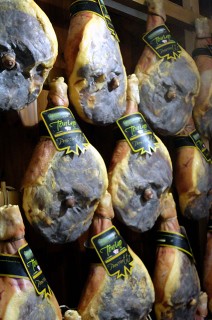
Norcia, just east of Spoleto, is a town renowned for its pork products: salami, prosciutto and sausages are all produced here. Budellacci—a delicacy made from pork tripe, and dressed with salt and fennel seeds—is also made in Norcia. Budellacci is first smoked for three or four days, then grilled before being served.
A Vacation for the Ages—All of the Ages
From guided historical walks through vineyards and olive groves, découpage lessons and medieval games for the kids, and bike rides for the whole family down cypress-lined streets, on a Bespoke trip to Tuscany & Umbria, everyone has a vacation for the ages—regardless of age.
START PLANNINGOther local specialties include: minestra di farro, a spelt soup made with onion and cherry tomatoes; and L’impastoiata, a polenta and bean dish with tomato sauce.
All the above dishes are prepared with the famous Umbrian “gold” olive oil, an extra virgin oil produced all over Umbria (see below). Popular Umbrian desserts include: chocolate from Perugia, and il pan nociato and pan pepato from Spoleto and Foligno, respectively (spiced pies made with hazelnut, chocolate and spices).
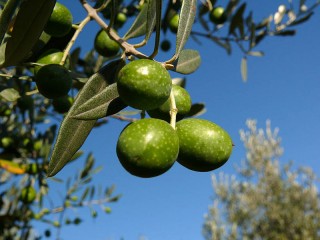
Olive Trees and Olive Oil
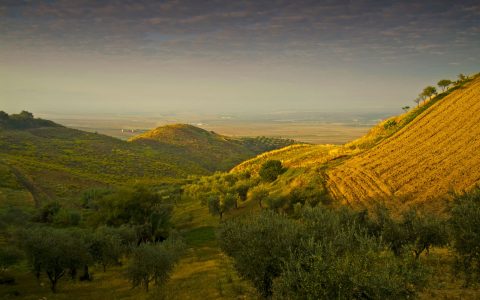
Since Etruscan times olive trees have flourished in Umbria, thanks to the land’s gently-sloping, sun-drenched hills. In fact, Umbria has been called “the gold coast of olive oil,” with several varieties of olive tress growing in the region. Ninety percent of the olive oil in Umbria is classified “extra virgin.”
An extra virgin olive oil is one that has been cold pressed, with low acidity. Extra virgin olive oil from Umbria is now labelled DOP, meaning its provenance and quality is guaranteed.
PHOTO CREDITS
Olives image Wikimedia
MORE FROM Italy + Umbria

Reading for the Road: Books About Florence
Tuscany
New Trip Spotlight: Venice to Verona Biking
Veneto
Cuisine 102: Tuscan Delicacies
Tuscany
How to Best Experience the Natural Wonders of Umbria
Umbria
Notes from the Road: A Research Trip in Sicily
Sicily
Umbria’s 3 Essential Cities
Umbria
Sustainable Cuisine in Northern Italy: In Conversation with Michelin-starred Chef Norbert Niederkofler
Dolomites
The Origin of the Negroni: Florence’s Favourite Cocktail
Tuscany
The 10 Best Restaurants in Florence
Tuscany
Giro-E: Racing the Giro d’Italia Route on E-bikes
Italy
The Best Villas in Italy: Amalfi, Tuscany and Umbria
Amalfi Coast
A Taste of Piemonte with Silvia Altare
Piemonte
Finding Prosperity in Food & Community in Rural Italy
Puglia
5 Unmissable Tuscan Hilltop Towns
Tuscany
The Most Incredible Hikes in Italy’s Dolomite Mountains
Dolomites
The Best Hotels in Rome for Every Taste
Rome
A Day in Florence: Rediscovering the City with Family Post-Lockdown
Tuscany
The Slow Fund: Replanting Trees in the Dolomites with Wow Nature
Dolomites
Why Your Next Private Family Vacation Should Be to the Dolomites
Dolomites